Radiotherapy or chemoradiotherapy before surgery: what to expect
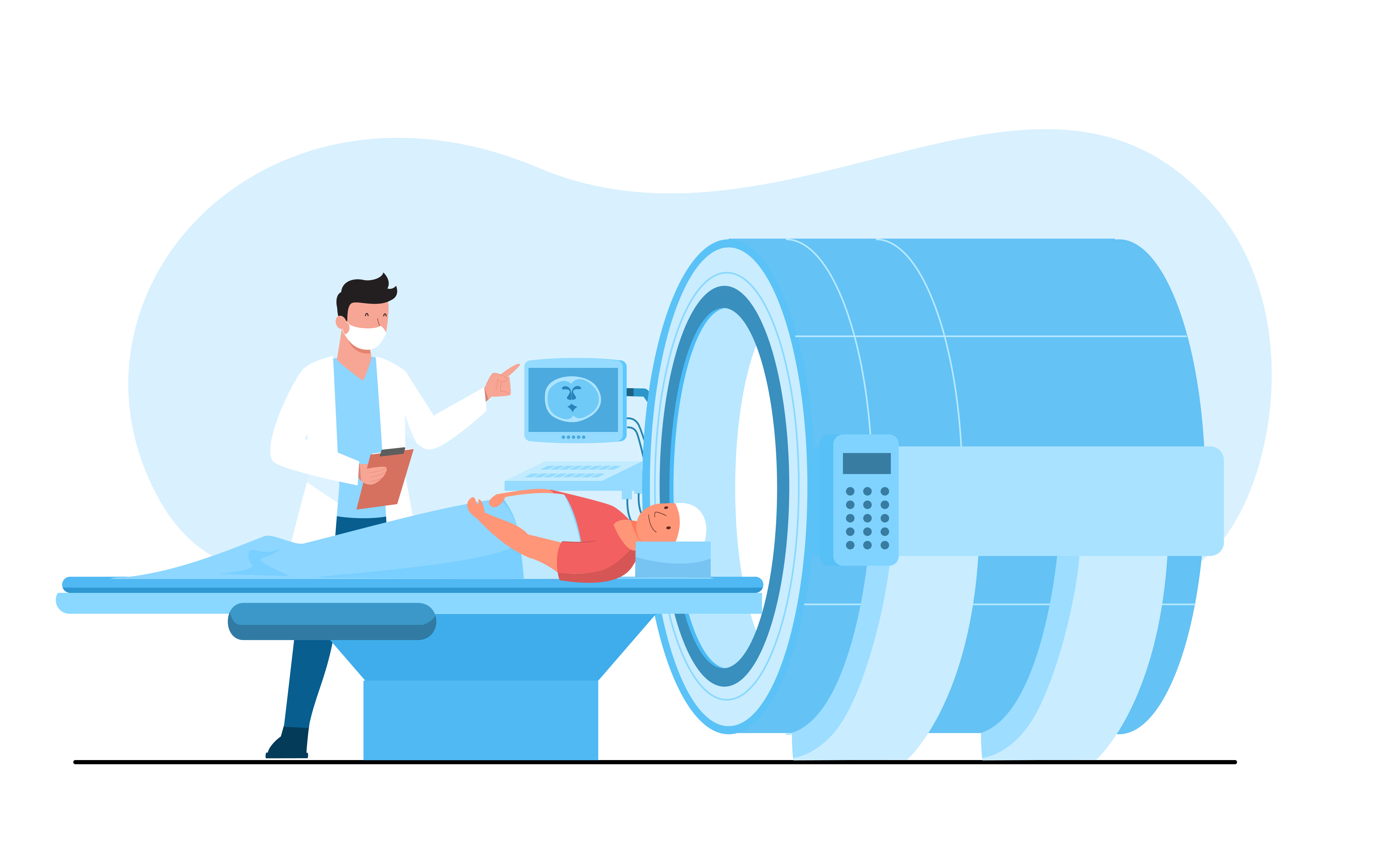
Radiotherapy given before surgery (neoadjuvant) is an essential component of treatment for locally advanced rectal cancer. The goal is to shrink the tumor, reduce the risk of local recurrence and, in some cases, make sphincter preservation possible. This article explains what to expect during treatment.
Why radiotherapy is given before surgery
Neoadjuvant treatment offers several advantages over postoperative radiotherapy:
- The tumor shrinks — making surgery easier and improving the chances of complete resection
- Greater effectiveness — pre-surgical tissues are better oxygenated and respond better to radiation
- Better tolerance — patients tolerate treatment better when the small bowel is not fixed in the pelvis after surgery
- Possibility of sphincter preservation — a tumor that initially required permanent colostomy may become operable while preserving the sphincter
- Potential for complete response — in 15-25% of cases, the tumor disappears completely (pathological complete response)
Treatment schedules
Short-course radiotherapy (5x5 Gy)
- Duration: 5 consecutive days (Monday-Friday)
- Dose: 5 Gray per day, total 25 Gray
- No concurrent chemotherapy
- Surgery: at 1-2 weeks or at 6-8 weeks after radiotherapy
- Indicated for: tumors with non-threatened mesorectal fascia, elderly patients
Long-course chemoradiotherapy (CRT)
- Duration: 5-6 weeks (25-28 sessions)
- Dose: 1.8-2 Gray per day, total 45-50.4 Gray
- With concurrent chemotherapy (oral capecitabine, daily)
- Surgery: 6-8 weeks after the end of treatment
- Indicated for: locally advanced tumors, threatened mesorectal fascia, when tumor shrinkage is desired
Total Neoadjuvant Therapy (TNT)
A modern approach that adds systemic chemotherapy (FOLFOX or CAPOX) either before or after chemoradiotherapy:
- Total duration: 4-6 months of treatment before surgery
- Advantages: higher complete response rate, early treatment of micrometastases
- Indicated for: stage III, tumors with high-risk factors
How a radiotherapy session works
First visit — simulation
- A planning CT is performed — you are positioned exactly as during treatment
- Small tattoos (dots) are placed on the skin to ensure precise positioning each day
- Medical physicists calculate doses and plan the radiation fields
Daily sessions
- Duration: 10-15 minutes (positioning + irradiation)
- The procedure is painless — you feel nothing during irradiation
- You must lie still on the treatment table
- The pelvic area is irradiated, including the tumor, regional lymph nodes and mesorectum
Side effects and how to manage them
Common effects (occur in most patients)
- Diarrhea — the most common; managed with diet and antidiarrheal medication (loperamide)
- Fatigue — increases progressively during treatment; rest and light physical activity help
- Skin irritation — redness and tenderness in the irradiated area; use moisturizing creams recommended by your doctor
- Rectal urgency — an urgent need to go to the toilet
- Radiation cystitis — burning urination, frequent urination
Less common effects
- Nausea — especially when chemotherapy is combined
- Loss of appetite
- Decreased blood cell counts — monitored with regular blood tests
Managing side effects
- Diet: avoid high-fiber foods, dairy, spices and fatty foods during treatment
- Hydration: drink at least 2 liters of fluids per day
- Local hygiene: gentle washing with warm water, avoid perfumed soap on the irradiated area
- Communicate: report any symptom to the radiotherapy team — there are solutions for most side effects
After radiotherapy ends
The waiting period
After long-course chemoradiotherapy, there is a 6-8 week pause before surgery. During this time:
- Side effects gradually improve
- The tumor continues to respond to treatment
- A restaging MRI is done to assess response
Response assessment
- Complete clinical response — tumor is no longer palpable and not visible on MRI; in selected cases, the Watch & Wait strategy may be an option
- Partial response — tumor has shrunk; surgery follows
- No response — tumor unchanged; treatment strategy is reconsidered
Frequently asked questions
Can I work during radiotherapy?
Many patients continue to work, especially in the first weeks. Fatigue increases toward the end of treatment and some patients need sick leave in the last 1-2 weeks.
Am I radioactive after treatment?
No. External radiotherapy does not make you radioactive. You can be around your family and children with no risk.
What happens if I miss a session?
Missed sessions must be made up. Prolonged interruptions can reduce treatment effectiveness. Tell the team in advance if you have transport or scheduling problems.
This article is for informational purposes only and does not replace medical consultation. Discuss your individualized treatment plan with your radiation oncologist.